Whoa! I installed Rabby last month and had a weird mixture of relief and skepticism. It felt snappier than the other extensions I keep around for testing. Initially I thought it was just another wallet UI, but then a few features—like transaction simulation and approval management—made me pause and dig deeper into how it actually reduces risk for everyday DeFi interactions. On one hand there are the familiar conveniences: quick network switching, multiple accounts, and a recognizable extension icon; though actually what won me over was the way it surfaces potential gas or contract issues before I ever clicked confirm, which changed my behavior.
Seriously? Yes, seriously—I’ve been burned by sloppy approvals before. Rabby’s approval flow shows token approvals and lets you revoke them without digging into blockchain explorers. That transparency matters more than you think when you interact with multiple DEXes and launchpads. My instinct said to trust but verify, so I cross-checked their repo and community threads, and while I won’t pretend everything is perfect, the transparency there lowered my guard enough to keep using it.
Hmm… Installation was straightforward on Chrome for me. It prompted for the usual permissions and then walked me through importing an account or creating a new one. Actually, wait—let me rephrase that: the UI walked me through defaults but also offered sensible prompts for advanced things like connecting a hardware wallet, which I appreciated because hardware tokens are still the best defense against remote compromises. On the topic of hardware support, I tested a Ledger and a Trezor in different browser sessions, and while the flow varies slightly by device and browser, the extension recognized the devices and allowed signing without exposing private keys, which is exactly what you hope for.
How to Safely Get Started
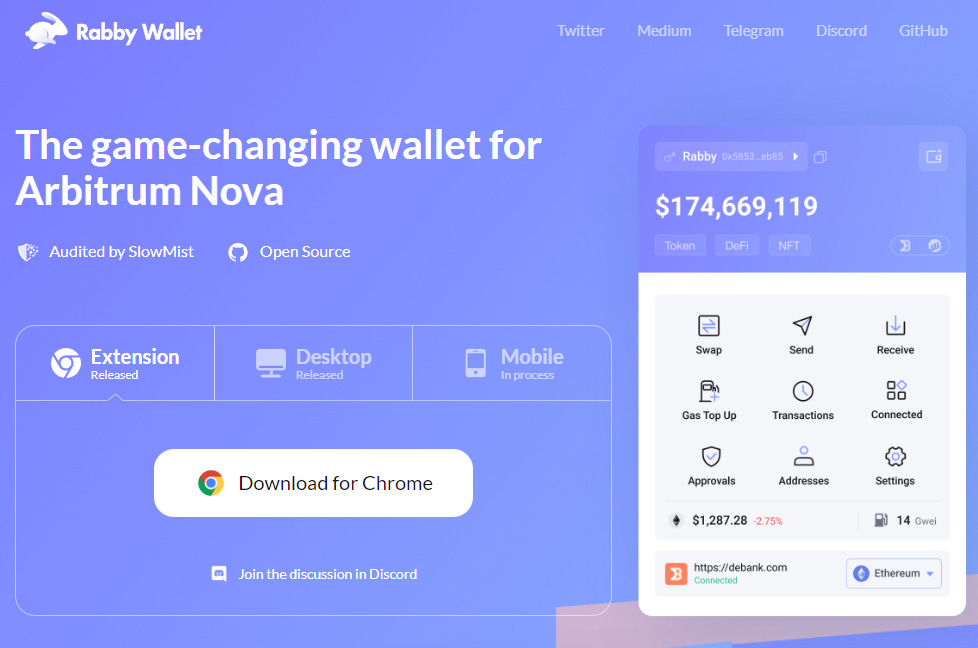
Here’s the thing. A lot of wallets add features without thinking about user trust. Rabby focuses on transaction safety alerts and automatic simulation which helps reduce surprises. There are still edge cases—complex multisigs or exotic chains sometimes produce confusing simulation outputs, and I ran into a case where the gas estimate was off on a layer-2 bridge, so you can’t abdicate all judgment to the tool. For a direct starting point, try this rabby wallet download link which points to a download page I referenced, and then follow browser-store confirmation prompts carefully to ensure you’re installing the legitimate extension rather than a malicious copy.
Okay, so check this out—if you want to side-by-side compare with MetaMask, start by looking at approvals UX and transaction breakdowns. Rabby surfaces calldata and decodes common router interactions which makes it easier to spot a malicious contract call. That decoding isn’t flawless across every chain or custom contract, though it still caught things I missed before, and honestly that mix of automated analysis plus obvious cues for human review is my favorite part of the design. I’m biased, but I’d rather have a tool that prompts me to check a route or pause a high-slippage swap than one that bundles everything into a single, inscrutable confirm screen, even if it means taking an extra 10 seconds per transaction.
Wow! A practical tip: keep one account for small everyday interactions and one for bigger, long-term holdings. Rabby makes account switching quick so this pattern is easy to adopt. Make sure you use the approval manager regularly, clear stale approvals, and when in doubt simulate the tx on a testnet or via an external tool because relying solely on a single extension’s simulation is a bit like depending on one weather app for an outdoor festival—usually fine, but check backups. Also, consider combining the extension with a hardware wallet for significant funds, verify the extension’s origin when you get it, and never paste your seed into a website or random text box—I’ve seen people do that and it’s painful to watch.
I’m not 100% sure, but if you use Rabby you’ll probably find a few annoyances and a few real wins. One pet peeve: sometimes the UI shows duplicate contract names or similar-looking addresses and that part bugs me—very very important to cross-check long addresses. Still, the speed at which the community reports and the devs push fixes has been impressive in my experience. Somethin’ about that active feedback loop makes me more comfortable keeping it installed for daily DeFi interactions, while reserving the biggest positions for cold storage or multisig arrangements.
FAQ
Is Rabby Wallet safer than MetaMask?
Safer is relative. Rabby emphasizes transaction simulation and approval management, which helps reduce some common user errors. MetaMask is ubiquitous and well-tested, but Rabby’s UX choices make it easier for some users to spot risky calls; still, combine any extension with good habits and hardware wallets for the best security posture.
Can I use Rabby with hardware wallets?
Yes, in my testing it supports popular hardware devices for signing without exposing private keys. The exact flow depends on your browser and device, so test with a small tx first and follow device prompts carefully.
Leave a Reply