Whoa! Okay, quick confession: wallets make me twitchy. Hmm… security nerves, you know? But Phantom has this cleanness to it that immediately feels familiar. Short sentence. Then a bit more: the UI is minimal. The UX is thoughtful, and the network interactions are usually fast enough to not drive you up a wall.
At first glance Phantom is just another browser wallet. Seriously? Yes, and no. On one hand, it does the usual: manage keys, sign transactions, connect to dApps. On the other hand, it weaves Solana-specific quirks—like token metadata, memos, and SPL token handling—into an interface that most non-technical users can grok. Initially I thought the differences were cosmetic, but then reality set in: those little details remove friction in real flows. Actually, wait—let me rephrase that: the small UX wins compound into fewer mistakes, and that matters when money is at stake.
Here’s the thing. Using any extension wallet is a trust tradeoff. You get convenience, but you also open a new attack surface. My instinct said “be cautious.” Many community audits and the wide adoption rate reduce some worry, though actually audits aren’t a panacea. There are supply-chain and extension spoofing risks. So you have to be intentional about where you get the extension, how you back up your seed phrase, and whether you use hardware wallet integration for bigger holdings.
Whoa again. Security basics first. Use a strong OS password. Keep your browser and extensions updated. Consider a separate browser profile for crypto activities. These are simple habits but very very important. If something feels off—like a new permission request from the extension—stop and double-check. (Oh, and by the way… keep a clear record of your seed phrase, offline, in a secure place.)
Where to get the Phantom extension safely
If you want to download Phantom for your browser, a straightforward place to start is this resource: https://sites.google.com/cryptowalletextensionus.com/phantomwalletdownloadextension/. That link walks through extension installation basics and common troubleshooting steps that many users ask about—use it as a reference, not gospel.
Now, a bit deeper on what matters after installation. Wallet setup is the riskiest moment. Write down your seed phrase on paper. Don’t store it in a plain text file or on cloud storage tied to your regular accounts. Long sentence here to explain why: attackers can get into synced accounts, compromised devices, or malicious browser extensions, and once they have your seed phrase they can drain accounts across wallets and networks because that phrase is the master key, which is both powerful and terrifying when handled poorly.
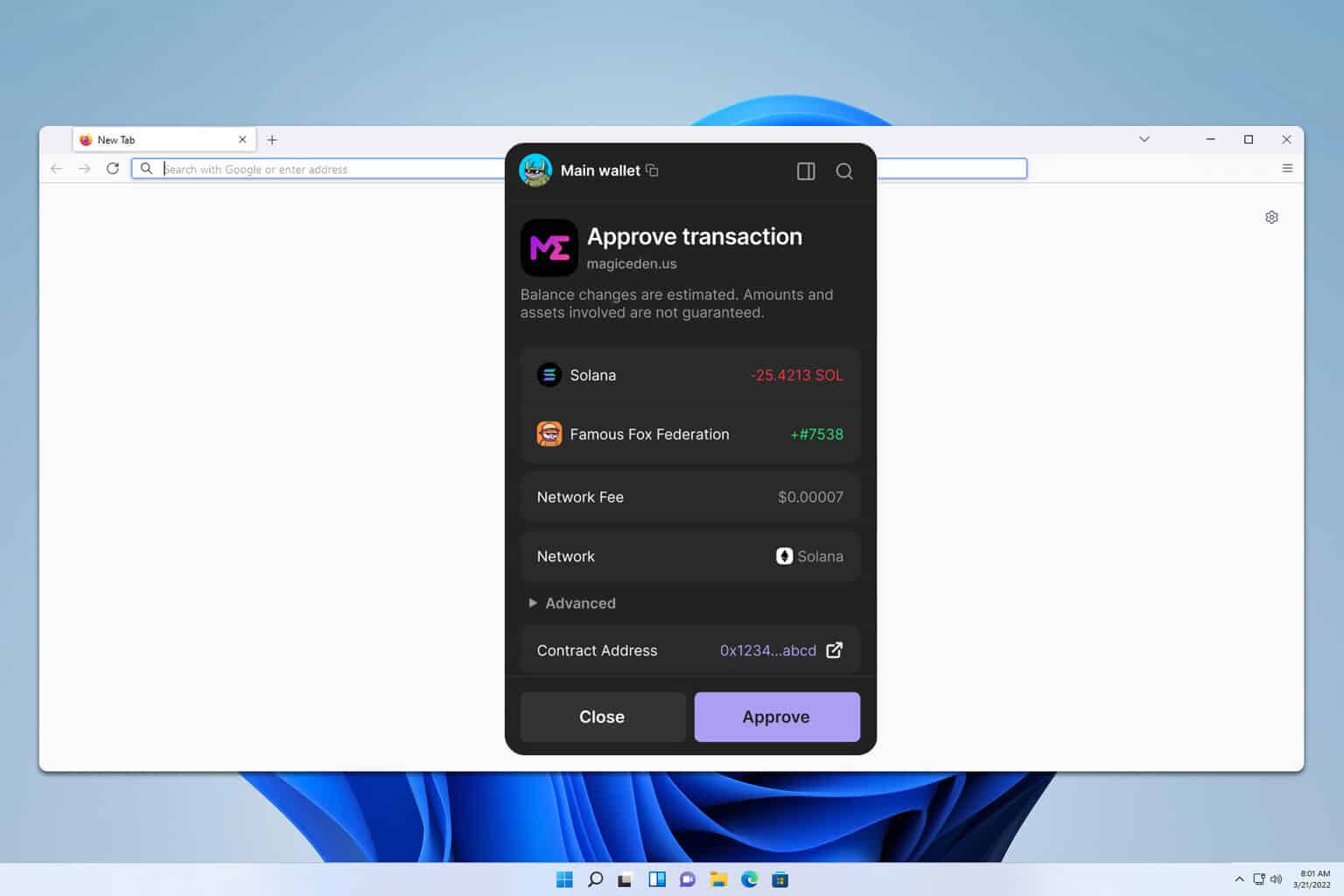
One subtle UX thing that I appreciate: Phantom surfaces token approvals and connection requests in a way that nudges you to think before you sign. That doesn’t mean every prompt is obvious. Sometimes approvals are nested, and you need to expand details to see what you’re actually allowing. My gut feeling said “trust but verify,” and that advice hasn’t aged badly.
There are also performance considerations. Solana itself is fast, but wallet extensions can bottleneck if they try to render long token lists or fetch heavy metadata. If your token list gets bloated, prune inactive tokens. Also, use the network dropdown wisely (devnet/testnet vs mainnet) when testing. It’s tempting to play around on mainnet and learn the hard way. Seriously—use testnet for experiments.
Interoperability is another practical factor. Phantom works well with most Solana dApps, but not every integration behaves the same. On one hand, many dApps implement the same connection flows; on the other hand, custom wallet adapters or malformed transaction payloads can cause failures. Troubleshooting these usually means checking console logs, refreshing the page, or reconnecting the wallet. If those don’t help, clearing cached site data for the dApp is a common next step.
Wallets evolve. Phantom has added features like token swapping, staking UI, and NFT viewing. Some of these are convenient. Some have limitations that developers are still ironing out. Keep expectations calibrated: the tool is strong, but it’s not magic. You’ll still need to understand transaction fees, confirmations, and what an on-chain action actually does.
One more practical tip: consider pairing Phantom with a hardware wallet for larger sums. Connecting a Ledger or similar device adds a layer of physical confirmation that dramatically reduces remote-exploit risk. That said, hardware integration isn’t flawless either—driver issues and firmware mismatches can be friction points. So test early, and keep firmware up to date.
Common questions
Is Phantom safe to use for everyday Solana transactions?
For routine use it’s reasonably safe if you follow best practices: get the extension from a trusted source, protect your seed phrase offline, keep software updated, and be cautious with unknown dApps. Nothing is 100% safe, but these steps cover the majority of common threats.
Can I recover my wallet if I lose access to my browser?
Yes, recovery hinges on your seed phrase. With that phrase you can restore the wallet in another compatible Solana wallet or browser profile. So store that phrase securely—preferably offline and duplicated in secure locations.
Should I use Phantom’s built-in swap feature?
It’s convenient for small, quick trades. For large trades, compare on-chain liquidity and slippage across options (and consider dedicated DEX interfaces). Also watch for approval scopes and double-check token addresses—token impersonation is a real problem.
Leave a Reply