Author: admin

  • Astuces pour optimiser ses sessions de jeu sur un casino en ligne avec argent réel

    Jouer dans un casino en ligne avec de l’argent réel peut offrir une expérience excitante et potentiellement lucrative, mais il comporte aussi des risques financiers si l’on ne maîtrise pas ses stratégies. La clé pour maximiser ses gains tout en minimisant ses pertes réside dans l’adoption de bonnes pratiques et dans une gestion rigoureuse de ses sessions. Dans cet article, nous vous dévoilons des astuces éprouvées, appuyées par des données et des recherches, pour optimiser chaque moment passé à jouer en ligne.

    Fixer des limites claires pour maîtriser son budget et éviter les pertes excessives

    La première étape pour jouer de manière responsable consiste à établir des limites précises avant de commencer à miser. Cette approche garantit une meilleure maîtrise de votre capital, évite les pertes désastreuses et contribue à maintenir une expérience de jeu saine et durable. La recherche indique que la question de la limite de mise joue un rôle crucial dans la prévention de comportements compulsifs.

    Utiliser des plafonds de mise automatiques pour contrôler ses dépenses

    Les casinos en ligne modernes offrent la possibilité de définir des plafonds de dépôt ou de mise quotidiens, hebdomadaires ou mensuels. Par exemple, si vous décidez de ne pas dépenser plus de 200 € par semaine, le système bloque automatiquement toute mise ou dépôt supplémentaire dès cette limite atteinte. En utilisant ces outils, vous évitez de dépenser de façon impulsive, et cela encourage une gestion financière plus responsable. Pour découvrir des plateformes fiables, vous pouvez consulter wbetz.

    Définir une limite de temps pour éviter la surcharge de jeu

    Le temps de jeu influence directement la probabilité de pertes, surtout si vous entrez dans une dynamique compulsive. Des études montrent que la surcharge de jeu augmente le risque de pertes importantes. Il est conseillé d’établir une limite de temps (par exemple, 1 heure par session) et de respecter cette contrainte pour préserver sa lucidité et éviter la fatigue mentale, qui peut détériorer la qualité de ses décisions.

    Planifier des pauses régulières pour maintenir sa concentration et sa lucidité

    Prendre des pauses permet de clarification mentale, évite la fatigue et favorise une analyse rationnelle lors de chaque session. Par exemple, après 30 minutes de jeu, faire une pause de 5 minutes pour s’étirer, boire de l’eau ou simplement se détendre contribue à maintenir un état d’esprit optimal. Ce simple réflexe peut considérablement réduire le risque de pertes dues à la fatigue ou à la distraction.

    Choisir les jeux stratégiques pour maximiser ses chances de gains

    La sélection judicieuse des jeux est essentielle pour augmenter ses probabilités de succès. Certains jeux offrent un avantage maison plus faible, ce qui veut dire que le joueur a une meilleure chance de conserver son capital à long terme. Combiné à des stratégies éprouvées, ce choix peut transformer l’expérience de jeu en une démarche plus rentable.

    Opter pour les jeux avec un avantage maison réduit, comme le blackjack ou le vidéo poker

    Selon une étude de l’Observatoire des Jeux, le blackjack présente un avantage maison moyen de 0,5% lorsqu’il est joué avec une stratégie optimale. Le vidéo poker, en particulier lorsque l’on maîtrise les techniques de gestion de mains, peut avoir un avantage aussi faible que 0,46%. En comparaison, des jeux comme la roulette ont un avantage plus élevé, de l’ordre de 2,7%. Le choix de jeux à faible avantage maison permet ainsi d’augmenter ses chances de rentabilité.

    Utiliser des stratégies éprouvées pour optimiser ses probabilités de victoire

    Dans le blackjack, par exemple, la stratégie de base basée sur des tableaux statistiques peut réduire l’avantage de la maison à moins de 0,5%. De même, dans le vidéo poker, connaître la meilleure stratégie pour une main donnée maximise ses chances. Ces stratégies, qui reposent sur des analyses mathématiques, ont été testées par des chercheurs et sont disponibles dans des guides spécialisés. Leur application régulière permet de transformer un simple hasard en un jeu géré scientifiquement.

    Adapter ses choix de jeux en fonction de ses compétences et préférences

    Le succès ne dépend pas uniquement de la stratégie, mais aussi de la maîtrise et du plaisir que vous tirez du jeu. Si vous êtes plus à l’aise avec la roulette ou les machines à sous, il peut être judicieux de limiter votre temps de jeu à ces jeux, tout en étant conscient qu’ils offrent généralement un avantage maison plus élevé. Prendre en compte ses préférences permet de jouer de façon plus détendue et d’éviter la frustration.

    Adopter des méthodes de gestion de bankroll efficaces

    Une gestion rigoureuse de sa bankroll est la pierre angulaire pour jouer durablement. Elle permet d’éviter de tout perdre en un temps record et de continuer à jouer avec un capital contrôlé. La clé réside dans des techniques simples mais efficaces, étayées par des études en finance comportementale.

    Calculer et répartir son capital de jeu pour éviter de tout perdre rapidement

    Une règle essentielle est de ne jamais miser plus de 1 à 5% de votre bankroll par session. Par exemple, avec une bankroll de 1000 €, votre mise maximale ne devrait pas dépasser 50 €. Cela permet de supporter une série de pertes sans mettre en péril votre capital, tout en conservant la possibilité de profiter de gains potentiels à moyen terme.

    Éviter de chasser ses pertes en modifiant ses mises de façon impulsive

    Lorsque l’on subit une perte, la tendance naturelle est de vouloir la récupérer rapidement, ce qui entraîne souvent des mises impulsives et dévastatrices. Des recherches montrent que cette stratégie, appelée “chasse aux pertes”, amplifie généralement les pertes et peut conduire à l’épuisement de la bankroll. La meilleure approche consiste à respecter son plan initial, à prendre du recul et à ne pas augmenter ses mises après une série de défaites.

    Utiliser des stratégies de mise progressives ou fixes selon la situation

    Les stratégies de mise progressive, comme la méthode Martingale (doublement de mise après chaque perte), peuvent sembler attrayantes mais sont risquées à long terme. À l’inverse, des stratégies à mise fixe ou à progression modérée (par exemple, mise de 2 € à chaque tour) permettent une meilleure stabilité et contrôlent l’impact des pertes. La clé réside dans la cohérence et dans l’adaptation au profil de risque de chaque joueur.

    Profiter des bonus et promotions pour augmenter ses opportunités de jeu

    Les offres promotionnelles constituent une véritable arme pour étendre son capital de jeu. Toutefois, leur utilisation doit être stratégique, en tenant compte des conditions de mise et de la compatibilité avec vos préférences. Une mauvaise gestion des bonus peut rapidement annuler tout avantage potentiel.

    Comparer les offres de bonus pour choisir celles offrant le meilleur rapport avantage/inconvénients

    Certains bonus, comme le bonus de bienvenue ou les free spins, proposent des conditions de mise faibles ou raisonnables. Par exemple, un bonus de 100 € avec un requisito de mise de 30x est plus avantageux qu’un bonus de 150 € avec une exigence de 50x. Des sites spécialisés ou des comparateurs en ligne permettent d’évaluer rapidement ces offres et de choisir celles offrant le meilleur rapport qualité/prix.

    Comprendre les conditions de mise pour optimiser l’utilisation des bonus

    Les conditions de mise spécifient le nombre de fois où vous devez miser le montant du bonus avant de pouvoir retirer vos gains. Un bonus avec une exigence de mise de 20x, par exemple, nécessite de jouer 2000 € pour débloquer la possibilité de retrait. Connaître ces chiffres permet d’établir une stratégie de jeu adaptée et d’éviter de se retrouver bloqué par des conditions trop contraignantes.

    Planifier ses sessions pour tirer parti des promotions temporaires ou exclusives

    Les casinos proposent souvent des promotions limitées dans le temps, comme des tournois ou des bonus saisonniers. En planifiant vos sessions autour de ces offres, vous maximisez vos chances de gagner davantage, tout en respectant les exigences de mise et aux conditions spécifiques. La régularité dans la participation à ces événements est souvent la clé pour profiter pleinement de leurs avantages.

    Analyser ses habitudes pour identifier ses points faibles et renforcer ses stratégies

    L’auto-analyse constitue une étape cruciale pour améliorer ses performances et éviter de répéter les mêmes erreurs. En suivant et en évaluant rigoureusement ses sessions, il est possible de détecter les tendances négatives, d’ajuster ses stratégies et de transformer ses comportements pour devenir un joueur plus avisé.

    Tenir un journal de jeu pour suivre ses résultats et comportements

    Noter chaque session : gains, pertes, jeux joués, stratégie utilisée, état d’esprit. Cette documentation, qui peut être numérique ou manuscrite, permet d’identifier des patterns destructeurs ou des moments de réussite. Une étude menée par la University of Chicago a montré que la tenue d’un journal augmentait de 20% la conscience des habitudes de jeu, favorisant ainsi une meilleure gestion des risques.

    Revoir régulièrement ses sessions pour ajuster ses méthodes

    Analyser périodiquement ses résultats offre l’opportunité de faire des ajustements. Si vous remarquez que vous perdez souvent lors de sessions tardives ou sans stratégie claire, il peut être pertinent d’intervenir. La régularité de cette revue encourage une réflexion critique et une adaptation continue.

    Utiliser des outils et applications pour analyser ses performances en temps réel

    De nombreuses applications mobiles ou logiciels spécialisés permettent de suivre en direct ses mises, ses gains et ses pertes. Certains proposent des analyses statistiques avancées, comme le taux de réussite ou la variance, et fournissent des recommandations personnalisées. Ces outils sont précieux pour prendre des décisions éclairées au moment précis et pour mieux maîtriser ses comportements de jeu.

    “Le jeu responsable repose autant sur la discipline que sur la connaissance. Utiliser des outils d’analyse, c’est comme avoir un coach personnel pour optimiser ses chances.”

  • Criteri di valutazione per confrontare app casino basate su graphici e interfaccia

    Nel panorama delle applicazioni di casinò digitali, la qualità grafica e l’efficacia dell’interfaccia utente sono elementi fondamentali per attrarre e fidelizzare i giocatori. Con l’aumento della concorrenza e le aspettative elevate degli utenti, diventa cruciale sapere come valutare correttamente questi aspetti. Questo articolo fornisce una guida dettagliata, supportata da studi e esempi pratici, per confrontare app casino basandosi sui criteri di grafica e interfaccia, con l’obiettivo di ottimizzare l’esperienza di gioco e aumentare l’engagement.

    Qualità grafica: come riconoscere un design coinvolgente e funzionale

    Elementi visivi che migliorano l’esperienza di gioco

    La qualità grafica di un’app di casinò si traduce in elementi visivi che coinvolgono e guidano l’utente. Utilizzare colori vivaci ma equilibrati, effetti visivi dinamici e animazioni fluide può aumentare significativamente l’appeal del gioco. Ad esempio, slot machine con simboli animati o effetti di luce sincronizzati con le vincite valorizzano l’esperienza, rendendo il gioco più immersivo. Secondo ricerche di mercato, l’elemento visivo è il primo fattore che cattura l’attenzione del giocatore e aumenta la probabilità di permanenza sull’app.

    Coerenza estetica tra grafica e tematizzazione del gioco

    Una domanda chiave è: quanto bene la grafica si allinea con il tema del gioco? Una slot con ambientazione medievale dovrebbe utilizzare elementi visivi coerenti con quell’epoca: armature, castelli, colori terrosi. La coerenza rafforza l’immersione e la percezione di qualità. Ad esempio, l’app Kings of Casino utilizza uno stile retrò con elementi estetici calibrati, creando un ambiente che trasporta immediatamente il giocatore nel contesto desiderato. Per approfondire le strategie di progettazione visiva, puoi consultare le risorse su highflybet.

    Tecniche di ottimizzazione grafica per dispositivi mobili

    Oggi, la maggior parte degli utenti gioca da smartphone o tablet. Per questo, le app devono implementare tecniche di ottimizzazione come la compressione delle immagini, l’uso di SVG e layer sfruttabili dai processori grafici, per mantenere alte prestazioni anche su dispositivi con risorse limitate. Uno studio condotto da GameDev Industry evidenzia che le app con grafica ottimizzata aumentano il tempo di utilizzo del 20% rispetto a quelle con grafica pesante e rallentata.

    Intuitività dell’interfaccia utente e facilità di navigazione

    Disposizione dei menu e accessibilità delle funzioni principali

    Una buona interfaccia si riconosce dalla semplicità con cui l’utente può accedere alle funzioni chiave. Menu intuitivi, pulsanti ben visibili e una gerarchia logica evitano confusione. Ad esempio, molte app leader del settore utilizzano pannelli di navigazione laterali o tab strutturati chiaramente, facilitando l’accesso a bonus, promozioni o giochi. Una disposizione senza clutter e con icone comprensibili favorisce un’esperienza fluida sin dal primo utilizzo.

    Velocità di risposta e fluidità delle interazioni

    Le interazioni devono essere reattive: tempi di risposta sotto i 100 millisecondi sono ideali. La fluidità si misura anche tramite la capacità dell’app di gestire più azioni contemporaneamente senza lag, migliorando così la sensazione di professionalità e affidabilità. Secondo un rapporto Nielsen Norman Group, la velocità di risposta influenza direttamente la soddisfazione e la percezione di sicurezza dell’utente.

    Personalizzazione dell’interfaccia e adattabilità alle preferenze

    Le app più moderne offrono opzioni di personalizzazione: scelta di temi colore, disposizione dei pannelli, modalità di visualizzazione. Sono inoltre ottimizzate per diversi dispositivi, garantendo un’esperienza coerente su smartphone, tablet o desktop. Ad esempio, l’app Betfair Casino permette all’utente di adattare l’interfaccia secondo le proprie preferenze di utilizzo, favorendo un coinvolgimento più duraturo.

    Impatto sulla produttività e sull’engagement degli utenti

    Come la grafica influenza il tempo di permanenza e la frequenza di utilizzo

    Una grafica attraente e funzionale aumenta il desiderio di esplorare più giochi e di tornare frequentemente. Uno studio condotto da Statista indica che gli utenti che trovano l’app visivamente coinvolgente trascorrono in media il 30% di tempo in più rispetto a quelli con un design povero. La coerenza visiva e l’effetto sorpresa sono elementi chiave per motivare i giocatori a rimanere più a lungo.

    Misurazione delle conversioni e feedback degli utenti

    Il successo di un’app si misura anche dalla capacità di convertire visitatori in clienti attivi e fidelizzati. Analytics permettono di monitorare step come registrazioni, depositi e frequenza di login. Un’interfaccia chiara e una grafica coinvolgente riducono le barriere e migliorano i tassi di conversione. D’altronde, centinaia di studi sottolineano come l’estetica e l’usabilità siano fattori determinanti nelle decisioni di gioco.

    Analisi delle metriche di soddisfazione e fidelizzazione

    Le metriche di soddisfazione, come Net Promoter Score (NPS) e commenti degli utenti, evidenziano il ruolo della grafica e dell’interfaccia nel mantenere alto l’engagement. Le app di successo spesso si aggiornano regolarmente, introducendo miglioramenti estetici e funzionali basati sui feedback. Questa attenzione costante assicura fedeltà nel tempo e una base di utenti stabile ed entusiasta.

    “Un design ben curato non solo attrae l’utente, ma lo trasforma in un giocatore fedele, aumentando il valore a lungo termine dell’app.” – Ricerca di UX Collective

  • Polymarket in Deutschland nutzen — ehrlich, praktisch und ein bisschen reingefühlt

    Okay, also check this out — Prognosemärkte fühlen sich manchmal an wie ein Nebenraum der Finanzwelt: laut, neugierig, ein bisschen chaotisch. Wow! Ich hab’ Polymarket seit einiger Zeit beobachtet, und mein erster Eindruck war: das ist clever. Mein Instinkt sagte: hier steckt echtes Marktfeedback drin. Hmm… Gleichzeitig dachte ich: Ist das für uns in DE überhaupt praktikabel?

    Kurzfassung zuerst: Polymarket ist eine dezentrale Plattform, auf der Leute auf Ereignisse wetten und damit Informationen bündeln. Really? Ja. Und das ist spannend, weil Märkte so oft Dinge aussagen, die Umfragen nicht sehen. Aber — und das ist wichtig — es gibt technische Hürden, Regulierungsfragen und User-Erwartungen, die man nicht ignorieren darf.

    Ich bin zwar kein Anwalt. Ich sag’s offen: bin biased in Richtung DeFi-Faszination. Trotzdem will ich praktisch bleiben. Etwas nervt mich: viele Guides sind entweder zu technisch oder total oberflächlich. Also hier versuche ich beides — handfest und mit persönlicher Note, so wie ich’s einem Freund erklären würde.

    Person am Laptop, Polymarket offen — Fokus auf Markt-Interfaces

    Was ist Polymarket eigentlich?

    Auf den Punkt: Polymarket ist ein Prognosemarkt. Menschen setzen Geld (in der Regel Kryptowährungen) auf ja/nein-Fragen — zum Beispiel: “Wird X in 2026 passieren?” — und der Marktpreis spiegelt die kollektive Wahrscheinlichkeit wider. Meine erste Reaktion war: Wow, das ersetzt keine Expertise, aber es aggregiert Meinung schnell.

    System 1 sagt: das ist intuitiv — Crowd weiß oft mehr als Einzelpersonen. System 2 sagt: Objektiv betrachtet hängt die Genauigkeit von Liquidität, Teilnehmerdiversität und Incentives ab. Initially I thought that simple wetten = klare Signale, but then realized: Manipulation, Low Liquidity und Informationsasymmetrien können das Ergebnis verzerren. Auf der anderen Seite: hohe Volumina tendieren zu besseren Vorhersagen.

    Polymarket App & Login — wie kommt man rein?

    Okay, hier wird’s praktisch. Wenn du dich anmelden willst, brauchst du eine Wallet (MetaMask oder ähnliche). Seriously? Ja. Wallet verbinden, Gasgebühren beachten, und schon bist du drin. Etwas felt off beim ersten Mal: Gaspreise können abschrecken. Mein Tipp: trau dich erst im Low-Gas-Zeitraum, oder nutze Layer-2, wenn verfügbar.

    Für eine Schritt-für-Schritt-Anleitung mit Fokus auf den Einstieg kannst du diesen Link nutzen: polymarket login. Ich hab den Guide dort nützlich gefunden — klar, nicht perfekt, aber hilfreich, gerade wenn du aus Deutschland kommst und erstmal nur schnuppern willst.

    Eigentlich wollte ich jetzt ins Tiefe gehen — doch kurz: Wallet, Verbindung, ETH (oder Token), Markt auswählen, Einsatz platzieren. That’s it. Aber: Die Feinheiten zählen. Slippage, Spread, Marktliquidität — das sind die Faktoren, die später weh tun können, wenn du sie nicht verstehst.

    Welche Events lohnen sich — und welche nicht?

    Events gibt es in allen Farben: Politik, Tech-Releases, Wirtschaftsdaten, Sport sogar. Meine Faustregel: such nach Märkten mit klarer Auflösungskriterien und ausreichendem Handelsvolumen. Hmm… ich hab’s ausprobiert — Märkte mit viel Drama (z. B. geopolitische Spekulationen) sind oft launisch und volatil, nicht unbedingt informativer.

    On one hand sind politische Märkte super spannend, weil sie kollektive Erwartungen bündeln. On the other hand: Gesetzesänderungen oder juristische Fragen können Märkte unklar machen — wer entscheidet, ob ein Event “eingetreten” ist? Genau das ist eine Schwachstelle. Eigentlich ziemlich menschlich: Regeln sind oft interpretationsbedürftig…

    Risiken & Stolperfallen

    Ich werd’ ehrlich: das Teil ist nicht ohne Risiko. Du kannst Geld verlieren. Gas fees, falsche Einschätzungen, Slippage — und nicht zuletzt: regulatorische Unsicherheit in DE. Meine Erfahrung: Viele DE-User unterschätzen steuerliche Aspekte. Ja, Gewinne aus Crypto-Trading sind steuerpflichtig — dokumentieren, dokumentieren, dokumentieren.

    Etwas, das mich wirklich buggt: UX-Probleme. Manchmal ist die Benutzeroberfläche nicht intuitiv, und neue Nutzer klicken sich durch. (oh, and by the way…) Einmal hab’ ich fast eine Position falsch gesetzt — very very careful ab hier.

    Strategien, die ich nutze — pragmatisch und ehrlich

    Ich handhabe das so: kleine Einsätze zum Anfang. Bevor ich viel capital reingebe, beobachte ich Spread und Volumen einige Tage. Something felt off about einen Markt? Dann raus bleiben. Meine Intuition hilft oft, aber ich überprüfe sie mit Daten: Preisverlauf, Handelsvolumen, Anzahl Trader.

    Konkrete Taktiken: Diversifi zier’ deine Einsätze; benutze Limit Orders, wenn möglich; setz dir Stop-Loss-Mentalitäten (auch wenn Stop-Loss im klassischen Sinn nicht immer verfügbar ist). Initially dachte ich, ich könnte allein mit Bauchgefühl gut traden, but then realized: systematische Beobachtung schlägt Intuition allein.

    Regulatorische Gedanken aus DE-Perspektive

    Regulierung ist ein Graubereich. In Deutschland sind Glücksspiel- und Wertpapiergesetze relevant — je nach Ausgestaltung kann ein Markt anders klassifiziert werden. Ich bin kein Jurist, aber: Vorsicht bei großen Summen. Für private, kleine Einsätze ist das Risiko rechtlich niedriger, though actually man sollte Dokumentation und steuerliche Behandlung nicht vernachlässigen.

    Ich empfehle: Informier dich lokal, sprich ggf. mit einem Steuerberater, und achte auf KYC/AML-Anforderungen, wenn Polymarket oder verbundene Dienste das verlangen. Meine Erfahrung: proaktive Vorsicht erspart später Ärger.

    Häufige Fragen

    Wie melde ich mich bei Polymarket an?

    Verbinde eine Web3-Wallet wie MetaMask, wähle ein Konto aus, überweise ETH oder den benötigten Token und wähle einen Markt. Wenn du eine schrittweise Anleitung brauchst, ist dieser Guide praktisch: polymarket login. Ich benutze solche Guides gern als Checkliste.

    Welche Wallets funktionieren?

    MetaMask und andere gängige Ethereum-kompatible Wallets sind Standard. Manche Nutzer bevorzugen Hardware-Wallets für höhere Sicherheit. Ich bin kein Fan von unsicheren Hot-Wallets, besonders wenn größere Summen im Spiel sind.

    Sind Gewinne steuerpflichtig?

    In Deutschland ja — in der Regel sind Gewinne aus Krypto-Transaktionen steuerlich relevant. Ich würde empfehlen: alles protokollieren und bei Unsicherheit einen Steuerberater fragen. Ich bin nicht 100% sicher bei jedem Einzelfall, aber das ist der sichere Weg.

    Am Ende: Polymarket ist ein mächtiges Tool, wenn du es verstehst und respektierst. Es ist nicht die Lösung für alle Informationsprobleme, aber ein wertvoller Indikator. Mein Gefühl hat mir oft geholfen, doch meine Erfahrung zeigt auch: Disziplin und Lernen sind wichtiger. Ich bleib dran — und du? Probier’s aus, aber klein anfangen. Wirklich — klein.

  • Why Phantom Wallet Feels Like the Best Solana Browser Extension Right Now

    Whoa! Okay, quick confession: wallets make me twitchy. Hmm… security nerves, you know? But Phantom has this cleanness to it that immediately feels familiar. Short sentence. Then a bit more: the UI is minimal. The UX is thoughtful, and the network interactions are usually fast enough to not drive you up a wall.

    At first glance Phantom is just another browser wallet. Seriously? Yes, and no. On one hand, it does the usual: manage keys, sign transactions, connect to dApps. On the other hand, it weaves Solana-specific quirks—like token metadata, memos, and SPL token handling—into an interface that most non-technical users can grok. Initially I thought the differences were cosmetic, but then reality set in: those little details remove friction in real flows. Actually, wait—let me rephrase that: the small UX wins compound into fewer mistakes, and that matters when money is at stake.

    Here’s the thing. Using any extension wallet is a trust tradeoff. You get convenience, but you also open a new attack surface. My instinct said “be cautious.” Many community audits and the wide adoption rate reduce some worry, though actually audits aren’t a panacea. There are supply-chain and extension spoofing risks. So you have to be intentional about where you get the extension, how you back up your seed phrase, and whether you use hardware wallet integration for bigger holdings.

    Whoa again. Security basics first. Use a strong OS password. Keep your browser and extensions updated. Consider a separate browser profile for crypto activities. These are simple habits but very very important. If something feels off—like a new permission request from the extension—stop and double-check. (Oh, and by the way… keep a clear record of your seed phrase, offline, in a secure place.)

    Phantom wallet interface on a desktop browser showing tokens and transaction history

    Where to get the Phantom extension safely

    If you want to download Phantom for your browser, a straightforward place to start is this resource: https://sites.google.com/cryptowalletextensionus.com/phantomwalletdownloadextension/. That link walks through extension installation basics and common troubleshooting steps that many users ask about—use it as a reference, not gospel.

    Now, a bit deeper on what matters after installation. Wallet setup is the riskiest moment. Write down your seed phrase on paper. Don’t store it in a plain text file or on cloud storage tied to your regular accounts. Long sentence here to explain why: attackers can get into synced accounts, compromised devices, or malicious browser extensions, and once they have your seed phrase they can drain accounts across wallets and networks because that phrase is the master key, which is both powerful and terrifying when handled poorly.

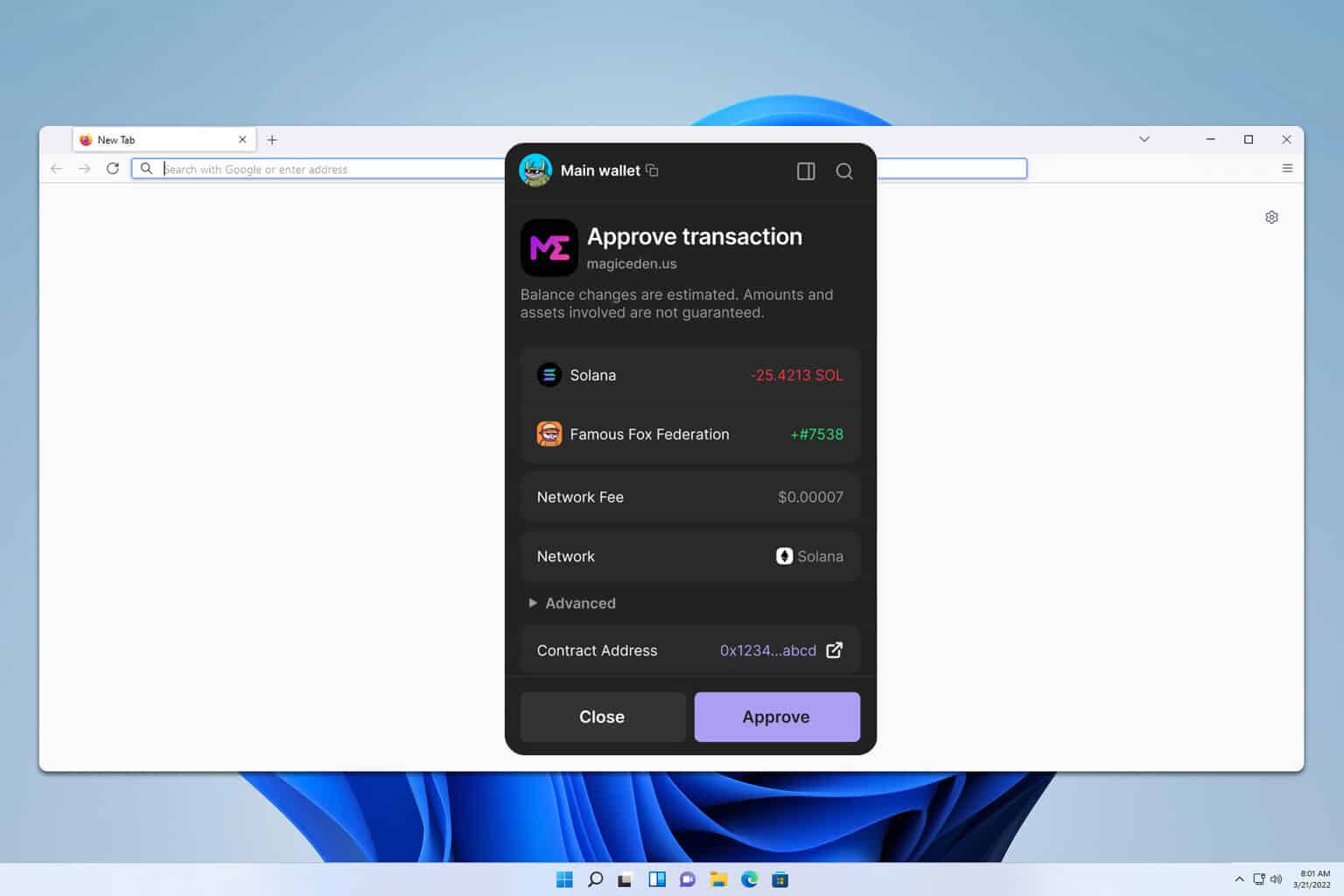
    One subtle UX thing that I appreciate: Phantom surfaces token approvals and connection requests in a way that nudges you to think before you sign. That doesn’t mean every prompt is obvious. Sometimes approvals are nested, and you need to expand details to see what you’re actually allowing. My gut feeling said “trust but verify,” and that advice hasn’t aged badly.

    There are also performance considerations. Solana itself is fast, but wallet extensions can bottleneck if they try to render long token lists or fetch heavy metadata. If your token list gets bloated, prune inactive tokens. Also, use the network dropdown wisely (devnet/testnet vs mainnet) when testing. It’s tempting to play around on mainnet and learn the hard way. Seriously—use testnet for experiments.

    Interoperability is another practical factor. Phantom works well with most Solana dApps, but not every integration behaves the same. On one hand, many dApps implement the same connection flows; on the other hand, custom wallet adapters or malformed transaction payloads can cause failures. Troubleshooting these usually means checking console logs, refreshing the page, or reconnecting the wallet. If those don’t help, clearing cached site data for the dApp is a common next step.

    Wallets evolve. Phantom has added features like token swapping, staking UI, and NFT viewing. Some of these are convenient. Some have limitations that developers are still ironing out. Keep expectations calibrated: the tool is strong, but it’s not magic. You’ll still need to understand transaction fees, confirmations, and what an on-chain action actually does.

    One more practical tip: consider pairing Phantom with a hardware wallet for larger sums. Connecting a Ledger or similar device adds a layer of physical confirmation that dramatically reduces remote-exploit risk. That said, hardware integration isn’t flawless either—driver issues and firmware mismatches can be friction points. So test early, and keep firmware up to date.

    Common questions

    Is Phantom safe to use for everyday Solana transactions?

    For routine use it’s reasonably safe if you follow best practices: get the extension from a trusted source, protect your seed phrase offline, keep software updated, and be cautious with unknown dApps. Nothing is 100% safe, but these steps cover the majority of common threats.

    Can I recover my wallet if I lose access to my browser?

    Yes, recovery hinges on your seed phrase. With that phrase you can restore the wallet in another compatible Solana wallet or browser profile. So store that phrase securely—preferably offline and duplicated in secure locations.

    Should I use Phantom’s built-in swap feature?

    It’s convenient for small, quick trades. For large trades, compare on-chain liquidity and slippage across options (and consider dedicated DEX interfaces). Also watch for approval scopes and double-check token addresses—token impersonation is a real problem.

  • La Modernità delle Animazioni Decorative: Sicurezza e Innovazione nel Web Design

    Nel mondo del web design contemporaneo, le animazioni decorative rappresentano un elemento distintivo e innovativo, capace di arricchire l’esperienza utente e di trasmettere l’identità di un brand con maggiore efficacia. Tuttavia, questa innovazione comporta anche sfide in termini di sicurezza e usabilità. Approfondire i rischi associati alle animazioni decorative e analizzare le best practice del settore è essenziale per sviluppare interfacce digitali che siano sia affascinanti che affidabili.

    Le Animazioni Decorative come Elemento di Differenziazione

    Anche se spesso considerate accessori estetici, le animazioni decorative svolgono un ruolo fondamentale nell’ergonomia e nel potenziamento dell’esperienza utente. Sono utilizzate per enfatizzare call-to-action, guidare la navigazione o semplicemente creare momenti di pausa visiva che migliorano la comprensione dell’interfaccia. Recenti studi dimostrano che un uso ponderato di elementi dinamici può aumentare l’engagement del sito fino al 30%.

    I Rischi Nascosti Dietro le Animazioni: Focus sulla Sicurezza

    Tuttavia, l’utilizzo di animazioni decorative avanzate può comportare rischi inattesi, in particolare in presenza di codice inadatto o di quitali condivisi in modo non sicuro. Tra questi rischi si annoverano problemi di compatibilità, vulnerabilità a attacchi di tipo injection, o anche performances scadenti che rallentano l’intero sito. Per questo motivo, è fondamentale che gli sviluppatori adottino metodi certificati e standard riconosciuti.

    “Le animazioni decorative, se non gestite correttamente, possono essere il punto debole di un sito, trasformandosi da elemento di attrattiva a vettore di vulnerabilità.” — Esperti di sicurezza web

    Soluzioni Innovative e Buone Pratiche

    Per assicurare una integrazione sicura, molte aziende si affidano a librerie di animazioni di alta qualità, che rispettano gli standard di sicurezza e performance. Ad esempio, l’uso di tecnologie come Canvas e SVG permette di creare animazioni leggere e compatibili con i principali browser, riducendo notevolmente i rischi. Al contempo, la verifica con strumenti come decorative animation warning aiuta a individuare eventuali criticità, assicurando che le animazioni siano non solo estetiche, ma anche sicure.

    Il Caso di Studio: La Piattaforma di Web Design Italia

    Fattore Valutazione Best Practice
    Performance Alta con SVG e CSS Ottimizzare codice e ridurre l’utilizzo di contenuti pesanti
    Sicurezza Critica se non gestita Utilizzare librerie peer-reviewed, controlli di sicurezza
    Compatibilità Ottima con moderni browser Test approfonditi e fallback appropriati

    È importante sottolineare come le tecnologie attuali permettano di creare animazioni decorative che siano non solo belle da vedere, ma anche sicure, sostenendo così l’evoluzione del web come spazio affidabile e coinvolgente.

    Conclusioni

    Le animazioni decorative rappresentano il presente e il futuro del web design, portando innovazione, immediatezza e autenticità alle piattaforme digitali. Tuttavia, il loro impiego implica una responsabilità che va oltre l’estetica. È fondamentale affidarsi a strumenti e risorse affidabili, come decorative animation warning, per prevenire rischi e garantire che questa componente sia all’altezza delle aspettative di sicurezza e performance del pubblico di oggi.

    In un’epoca in cui la credibilità online è più che mai fragile, l’equilibrio tra innovazione e sicurezza diventa il vero pilastro di un web di qualità. Le animazioni decorative, se gestite correttamente, non sono solo un dettaglio estetico, ma un elemento strategico di comunicazione digitale efficace.

  • Best Table Game Games at GxMble Casino

    GxMble Casino has made a name for itself in the online gaming community, offering a variety of table games that cater to both novice players and seasoned gamblers. However, before diving into the offerings, it’s crucial to look closely at the aspects that define a trustworthy gaming environment, especially when it comes to licensing, safety, and the fairness of odds. This article will provide a comprehensive review of the best table games available at GxMble Casino, while also highlighting potential pitfalls for players.

    Licensing and Safety

    GxMble Casino operates under strict regulations, holding licenses from reputable authorities. This ensures that the casino adheres to fair gaming practices and protects player data. The presence of secure SSL encryption technology safeguards your personal and financial information, which is paramount in the online gambling industry.

    Top Table Games at GxMble Casino

    When it comes to table games, GxMble Casino offers a diverse selection. Here are some of the standout options:

    • Blackjack: With an RTP of approximately 99.5%, blackjack remains a favorite. The house edge can be as low as 0.5% when players use optimal strategy.
    • Roulette: The casino features both European and American roulette. European roulette has a lower house edge of 2.7% compared to American’s 5.26%.
    • Baccarat: Offering an RTP of around 98.94%, baccarat is known for its simplicity and low house edge.
    • Craps: With multiple betting options, the house edge can vary greatly. Players should familiarize themselves with the odds to make informed bets.

    Bonuses and Promotions

    GxMble Casino provides various GxMble Casino bonuses to enhance the gaming experience. Bonuses for table games often come with specific wagering requirements, which can be as high as 35x. It’s important to read the terms and conditions carefully to understand how these bonuses can be utilized effectively.

    Banking Options

    GxMble Casino supports a range of banking options for deposits and withdrawals, including credit cards, e-wallets, and bank transfers. Most deposits are instant, while withdrawal times may vary depending on the method chosen. Here is a brief overview:

    Method Deposit Time Withdrawal Time
    Credit/Debit Cards Instant 3-5 Business Days
    e-Wallets Instant 24-48 Hours
    Bank Transfer 1-3 Business Days 3-7 Business Days

    Customer Support

    The quality of customer support is often a reflection of a casino’s commitment to its players. GxMble Casino offers 24/7 support through live chat, email, and telephone. The availability of multiple contact methods ensures players can easily seek assistance when needed.

    Why I Recommend This Brand

    GxMble Casino stands out for several reasons:

    • Regulatory Compliance: Licensed and regulated, providing peace of mind.
    • Variety of Games: A robust selection of table games suitable for all types of players.
    • Responsive Support: 24/7 customer service ready to assist.

    However, players should remain vigilant about the risks associated with gambling. Always ensure you are familiar with the odds and potential outcomes before placing bets.

    Potential Pitfalls

    Despite the positive aspects, there are some pitfalls to be aware of:

    • Wagering Requirements: Many bonuses come with high wagering requirements, making it difficult to cash out.
    • House Edge: While games like blackjack and baccarat offer lower house edges, others can be much higher, which can lead to quicker losses.

    In summary, GxMble Casino presents a solid option for table game enthusiasts, but players should approach with caution and always prioritize responsible gaming practices.

  • Maximizing Your Online Casino Experience: The Power of Bonuses and Promotions

    In the ever-evolving landscape of online gambling, bonuses and promotional offers have emerged as pivotal tools in attracting and retaining players. Industry-leading operators recognize that a well-structured bonus strategy not only rewards loyalty but also enhances the overall gaming experience, fostering a fair and engaging environment. This article delves into the strategic importance of casino bonuses, backed by data and industry insights, and also explores how players can leverage these offers responsibly to maximize their enjoyment and potential winnings.

    The Strategic Value of Bonuses in Online Casinos

    Bonuses serve multiple strategic functions within the digital gambling ecosystem:

    • Customer Acquisition: Attractive welcome bonuses lower entry barriers, enticing new players to try a platform.
    • Player Retention: Ongoing promotions, such as reload bonuses or loyalty points, keep players engaged over time.
    • Game Diversification: Bonuses often encourage exploration of different game types, increasing overall platform activity and diversity.

    According to industry analytics, online casino operators allocated approximately $14.2 billion in bonuses and promotions globally in 2022, representing a significant investment geared toward competitive differentiation and customer loyalty. This strategic focus underscores how critical bonuses are in a saturated market where user retention hinges on perceived value.

    The Anatomy of an Effective Bonus Program

    High-quality bonus schemes typically include several core components that benefit both operators and players:

    Component Description Industry Example
    Sign-Up Bonuses Initial match bonuses, free spins, or no-deposit offers to welcome new players. 123Bet offers up to 200% matched bonus + 50 free spins.
    Reload Promotions Rewards for depositing subsequent times, maintaining engagement. Weekly reload bonuses with 50% match and bonus spins.
    Loyalty Programmes Points accumulation systems translating into cashback, free bets, or exclusive privileges. VIP tiers with personalized rewards based on wagering behavior.
    Referral Incentives Rewards for bringing new players to the platform. Refer-a-friend schemes with bonus credits for both parties.

    Challenges and Responsible Usage

    While bonuses can significantly enhance gaming value, they also pose potential risks, including wagering dependencies and misunderstandings of bonus terms. Industry experts advocate for responsible gaming practices, emphasizing:

    • Understanding wagering requirements and expiry conditions.
    • Setting personal deposit and loss limits.
    • Practicing moderation with bonus-induced gaming urges.

    “Effective bonus programs not only attract players but also promote responsible gaming habits, fostering trust and transparency within the industry.” — Dr. Jessica Liu, Gaming Industry Analyst

    Unlocking Maximum Value: Strategic Tips for Players

    To truly benefit from bonuses, players should approach these offers strategically:

    1. Read the Fine Print: Always scrutinize wagering requirements, game restrictions, and withdrawal conditions.
    2. Prioritize Low Wagering Requirements: Bonuses with fewer playthrough conditions enable quicker cashouts.
    3. Combine Bonuses Wisely: Stacking compatible promotions increases potential winnings, provided terms are favorable.
    4. Practice Bankroll Management: Use bonuses to extend gameplay without risking excessive funds.

    For a detailed exploration of current offers and how to maximize them, read more about it… within the context of high-value casino bonuses on reputable platforms.

    The Future of Casino Bonuses: Industry Trends

    Emerging trends suggest a shift towards more personalized and variable bonus offerings, driven by data analytics and player preferences. For instance:

    • Gamification Elements: Incorporating leaderboards and achievement badges to motivate ongoing participation.
    • Cryptocurrency Bonuses: Enhancing privacy and transaction efficiency for blockchain-savvy players.
    • Localized Promotions: Tailoring bonuses to regional tastes and regulatory environments.

    This strategic evolution aims to foster a more engaging, secure, and player-centric online gambling experience.

    Conclusion

    Bonuses and promotional offers remain a cornerstone of competitive online casino marketing, offering tangible benefits when understood and utilized responsibly. They provide a pathway for both operators to differentiate themselves and for players to enhance their gaming journey intelligently. As the industry continues to innovate, staying informed about the latest bonus structures and industry insights is vital for making smarter, safer gambling choices.

    To explore the current promotional landscape and how to leverage bonuses effectively, you can read more about it… in detail on the platform dedicated to premium casino offers.

  • Innovazione e Immersione nel Gioco Digitale: Come le Piattaforme di Nuova Generazione Ridefiniscono l’Esperienza del Giocatore

    Negli ultimi anni, il mondo del gaming ha attraversato una trasformazione radicale, trainata dall’innovazione tecnologica e dalla crescente domanda di esperienze più coinvolgenti ed autentiche. Questa evoluzione si traduce in una sempre più sofisticata capacità di offrire esperienza di gioco immersiva, capace di trascinare il giocatore in ambienti digitali che sembrano praticamente reali.

    Il Contesto dell’Innovazione nel Gaming: Sfide e Opportunità

    Con oltre 3 miliardi di gamer in tutto il mondo e un mercato globale che raggiunge valori stimati sopra i 220 miliardi di dollari nel 2023, il settore si trova di fronte a sfide critiche e opportunità senza precedenti. La richiesta di ambienti più realistici e coinvolgenti spinge gli sviluppatori a esplorare nuove frontiere dell’interattività, come la realtà virtuale (VR), la realtà aumentata (AR), e tecniche di rendering avanzate.

    Le Tecnologie Chiave per un’Esperienza di Gioco Immersiva

    Tecnologia Descrizione Impatto sull’Esperienza del Giocatore
    Realtà Virtuale (VR) Dispositivi come Oculus Rift, HTC Vive, e PlayStation VR creano ambienti completamente immersivi. Trasporta il giocatore in ambienti 3D realistici, migliorando l’engagement e la sensorialità.
    Realtà Aumentata (AR) Integrazione di elementi digitali nel mondo reale tramite smartphone o occhiali smart. Permette l’interazione tra mondo fisico e virtuale, potenziando la narrazione e l’interattività.
    Rendering 3D Avanzato Utilizzo di tecniche come ray tracing e AI per migliorare la qualità visiva. Creazioni di ambienti più dettagliati, aumentando la sensazione di realismo.

    Focus: Piattaforme Innovative e il Loro Ruolo

    Al centro di questa rivoluzione ci sono piattaforme di ultima generazione, come ChikenRoad2, che si distinguono per la capacità di offrire un’esperienza di gioco immersiva senza precedenti. Queste piattaforme stanno abbracciando tecnologie come il cloud gaming, algoritmi di intelligenza artificiale, e ambienti dinamici tridimensionali, creando scenari in cui il giocatore si perde completamente nel mondo virtuale.

    Impatto sull’Industria e sui Consumatori

    Secondo recenti analisi di mercato, il consumo di contenuti immersivi cresce del 35% annuo, riflettendo una domanda crescente di esperienze personalizzate e coinvolgenti. Le aziende leader stanno investendo massicciamente in ricerca e sviluppo per perfezionare le proprie piattaforme, come testimoniato dalla partnership tra sviluppatori e aziende tecnologiche specializzate.

    “Il futuro del gaming risiede nella capacità di immergere completamente il giocatore in ambienti virtuali di alta qualità, dove l’interattività e il realismo non sono più un obiettivo, ma una realtà quotidiana.”

    Prospettive Future: Verso una Gamification Totalmente Immersiva

    Gli scenari futuri prevedono l’avvento di ambienti di gamification sempre più realistici, integrati con tecnologie indossabili e dispositivi neurali. Questo permetterà un’esperienza di gioco estremamente personalizzata, che risponde alle emozioni, alle reazioni fisiologiche, e alle preferenze di ogni singolo utente.

    Conclusione

    In conclusione, l’innovazione tecnologica sta aprendo possibilità straordinarie per il settore del gioco digitale, con piattaforme come ChikenRoad2 all’avanguardia nel proporre esperienza di gioco immersiva. Questo trend, alimentato da avanzamenti nella grafica, interattività e intelligenza artificiale, promette di trasformare profondamente il modo in cui i giocatori si relazionano ai mondi virtuali, portando l’esperienza ludica a un livello finora inimmaginabile.

  • Why Rabby Wallet Deserves a Spot in Your DeFi Toolbox

    Whoa! I keep coming back to Rabby because it solves a narrow, annoying problem many wallets ignore. Seriously? Yes — the UI treats multiple chains like first-class citizens, and that matters when you’re juggling assets across networks. My instinct said this would be just another wallet, but the execution surprised me. Initially I thought it was all marketing, but then I started using it in anger and the differences became real.

    Here’s the thing. Multi-chain support is table stakes now. DeFi power users move capital fast, and switching wallets or networks mid-flow is a pain that kills yields. Rabby handles chain switching and asset visibility in ways that feel purpose-built for traders and yield farmers. On one hand it’s lightweight and fast, though actually it also packs helpful guardrails that reduce slip-ups.

    Check this out—Rabby’s account abstraction for multiple chains reduces accidental approvals. Hmm… that was a relief the first time I noticed it. It blocks common phishing-like approval flows and surfaces risk levels before you sign. That sort of nudge saves money. I’m biased, but safety-first features like that are what separates experimental tools from production-ready software.

    Rabby wallet interface showing multi-chain assets and transaction approvals

    How Rabby approaches multi-chain differently

    Short version: it treats each chain as a peer, not as an afterthought. Wow! Each network tab keeps balances, tokens, and transactions clear. The wallet also normalizes gas estimation in a way that reduces failed transactions. I was surprised by how much less I had to babysit swaps across chains.

    Rabby uses a mix of on-device signing and intelligent defaults that reduce accidental approvals. Initially I assumed defaults would be weak, but they felt conservative and sensible. On the other hand some advanced users might find the defaults opinionated, though you can tweak them. That flexibility is welcome; you get security without being boxed in.

    There are also practical UX touches. For example, token lists and approvals are consolidated so you don’t chase allowances across five separate menus. Wow! Little things like grouping pending approvals and offering quick revoke actions save time and reduce cognitive load. Honestly, that feature alone paid for itself in prevented mistakes.

    Security primitives for DeFi users

    Rabby focuses on safety ergonomics. Hmm… it’s not just about cold storage or multisig — it’s about preventing dumb mistakes under stress. The wallet highlights abnormal allowance requests, shows exact calldata for advanced users, and warns when approvals grant unlimited token access. That mix of beginner-friendly warnings and expert-friendly transparency is rare.

    I’ll be honest: nothing is perfect. There are edge cases where a custom dApp flow trips the wallet’s heuristics, and you may get a false-positive warning. I’m not 100% sure how often that happens across the whole DeFi ecosystem, but it’s infrequent for me. Actually, wait—let me rephrase that: I saw a couple of oddities during gas spikes, but the overall safety tradeoff is worth it.

    Rabby also integrates with hardware wallets. Really? Yes — Ledger and other devices work seamlessly. That combination of hardware-level signing plus Rabby’s approval guards gives you layered defense. On one hand setup can be clunky for new users, though detailed guides ease the friction.

    Developer and dApp friendliness

    For builders, Rabby offers predictable RPC handling and clear network context. Wow! That predictability reduces integration surprises when your dApp talks to users with multiple chains configured. The wallet’s approach to chain selection means fewer accidental transactions on the wrong network.

    Initially I thought the wallet would be heavy on UI theatrics, but actually the controls are pragmatic. On the other hand—there’s still room for deeper analytics. I want richer on-chain context in-UI: price slippage histories, token flow visualization, that kind of thing. Somethin’ to aspire to, right? But the current set of developer-focused features already helps a lot.

    Another thing that bugs me: mobile parity. Rabby is primarily a browser extension and the desktop/extension experience is superb. The mobile story is improving, but it’s not as fully baked as the extension yet. If mobile-first is critical for you, consider the tradeoffs.

    Practical workflows where Rabby shines

    Rebalancing across chains. Wow! Move funds and approve protocols without hunting for which chain you left a stale approval on. Batch approval cleanup. Hmm… that saves time and lowers attack surface. Cross-chain swaps via bridging layers become less nerve-wracking when the wallet clearly shows where approvals are going.

    I used Rabby during a multi-chain yield reallocation and it was noticeably smoother. My gut said I’d be fiddling with settings for days. That turned out to be wrong. The onboarding for network management is quick, and recovery phrases, hardware pairing, and account imports behaved as you’d expect. Still, always verify addresses manually — I’m repeating myself here because it’s very very important.

    If you’re a power user who values security painlessly, Rabby hits the right notes. Seriously? Yep. It reduces the small human errors that compound into big losses.

    For a deeper look, check the official source at rabby wallet official site.

    FAQ

    Is Rabby safe for large DeFi positions?

    Yes, with caveats. Wow! Use hardware wallet integration and review approvals carefully. Rabby’s UI reduces accidental dangerous approvals, but always pair it with strong operational practices like timelocks and multisig for very large allocations.

    Does Rabby support all major EVM chains?

    Mostly yes. Rabby covers the major EVM networks and many sidechains. Hmm… for very new or obscure chains you may need to add custom RPCs. The wallet handles custom chains well, though you should verify chain parameters before transacting.

    What about privacy?

    Rabby follows typical extension models where on-device keys are kept private. However, browsing and RPC providers still reveal activity patterns. I’m biased, but combining Rabby with privacy-minded RPCs and good OpSec practices gives the best results.